Top Relaxation Techniques to Complement Your Massage Therapy


Enhancing Your Relaxation Experience
Massage therapy is a wonderful way to relieve stress and soothe sore muscles, but the relaxation doesn't have to stop there. By integrating complementary techniques into your routine, you can enhance the benefits and prolong the sense of tranquility. Whether you're looking to calm your mind or rejuvenate your body, the following methods can help you achieve a deeper state of relaxation.
Deep Breathing Exercises
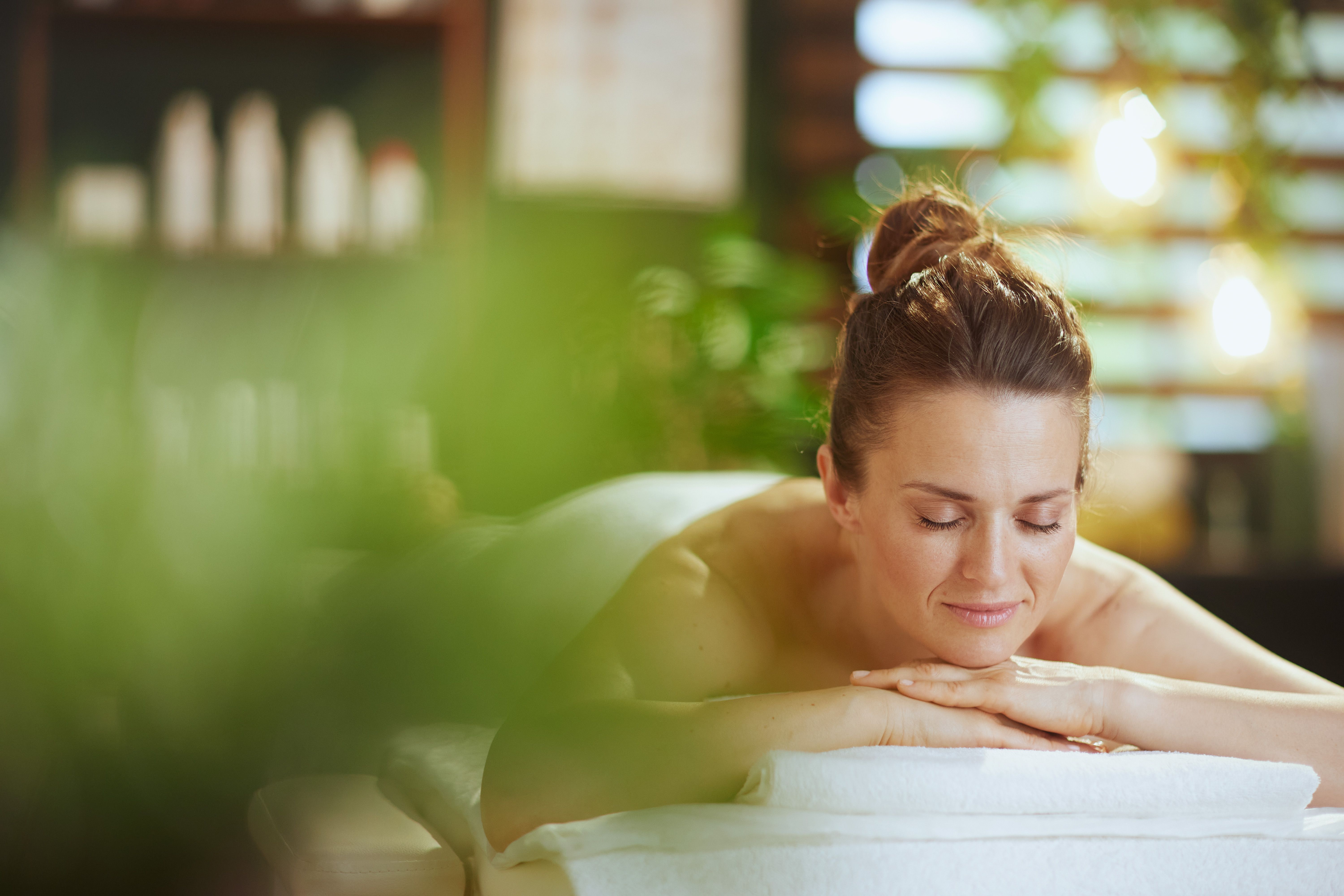
Deep breathing is a simple yet powerful tool for relaxation. By taking slow, deliberate breaths, you can activate your body's parasympathetic nervous system, which helps in reducing stress and lowering heart rate. Try inhaling deeply through your nose, holding the breath for a few seconds, and then exhaling slowly through your mouth. Repeat this process several times, allowing your mind to focus solely on the rhythm of your breath.
Aromatherapy
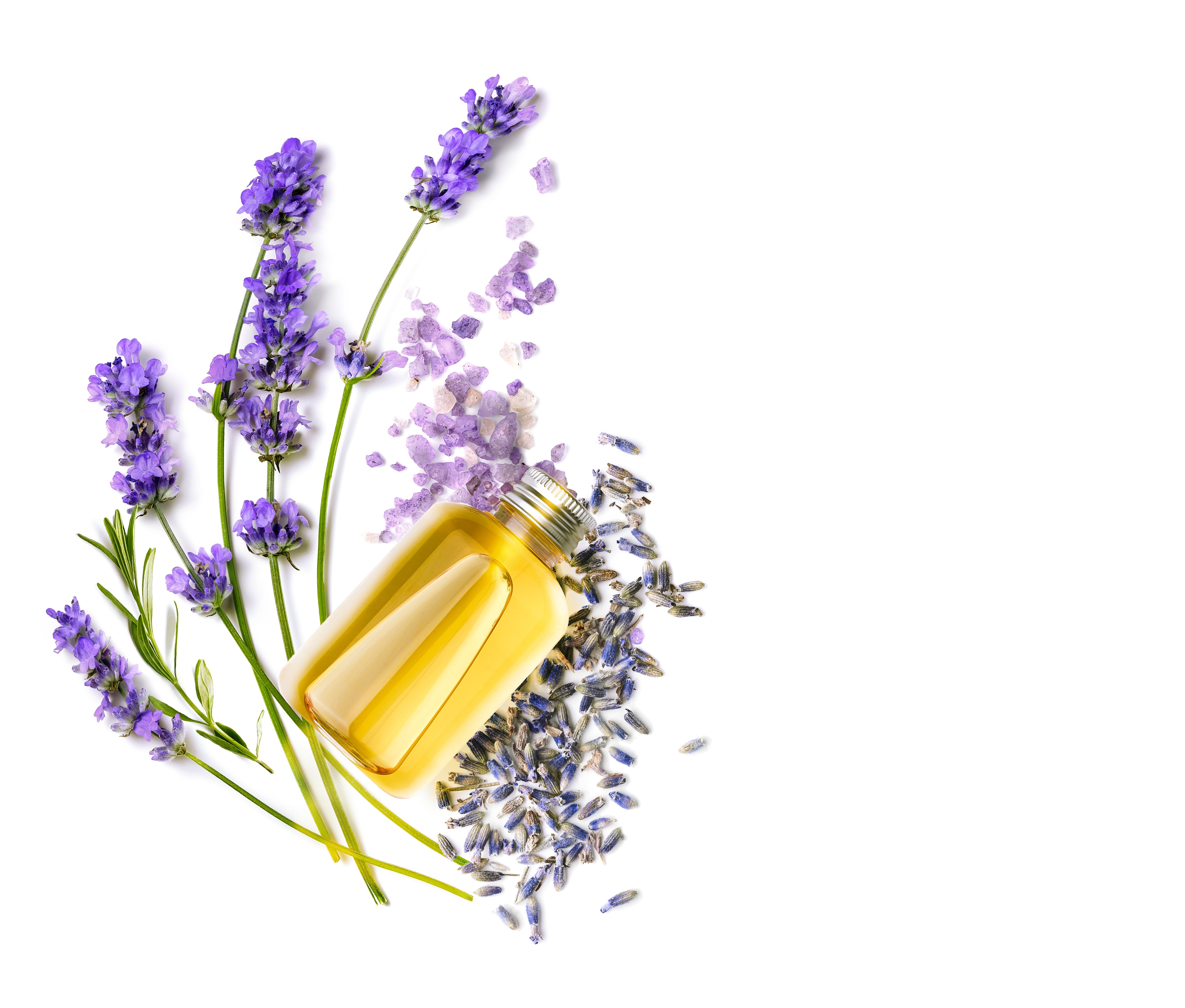
Aromatherapy involves using essential oils to promote physical and emotional well-being. Scents like lavender, chamomile, and eucalyptus are known for their calming properties. You can use a diffuser to fill your space with these soothing aromas or apply diluted essential oils directly to your skin during or after your massage session. The olfactory senses are powerful, and introducing the right scents can significantly enhance your relaxation experience.
Mindfulness Meditation
Mindfulness meditation encourages you to be present in the moment, which can reduce stress and improve overall relaxation. After a massage session, find a quiet space to sit comfortably. Close your eyes and focus on your breath or a peaceful image in your mind. If your thoughts wander, gently bring your attention back to your breath. This practice not only complements massage therapy but also helps in cultivating a calm and centered mindset.
Progressive Muscle Relaxation
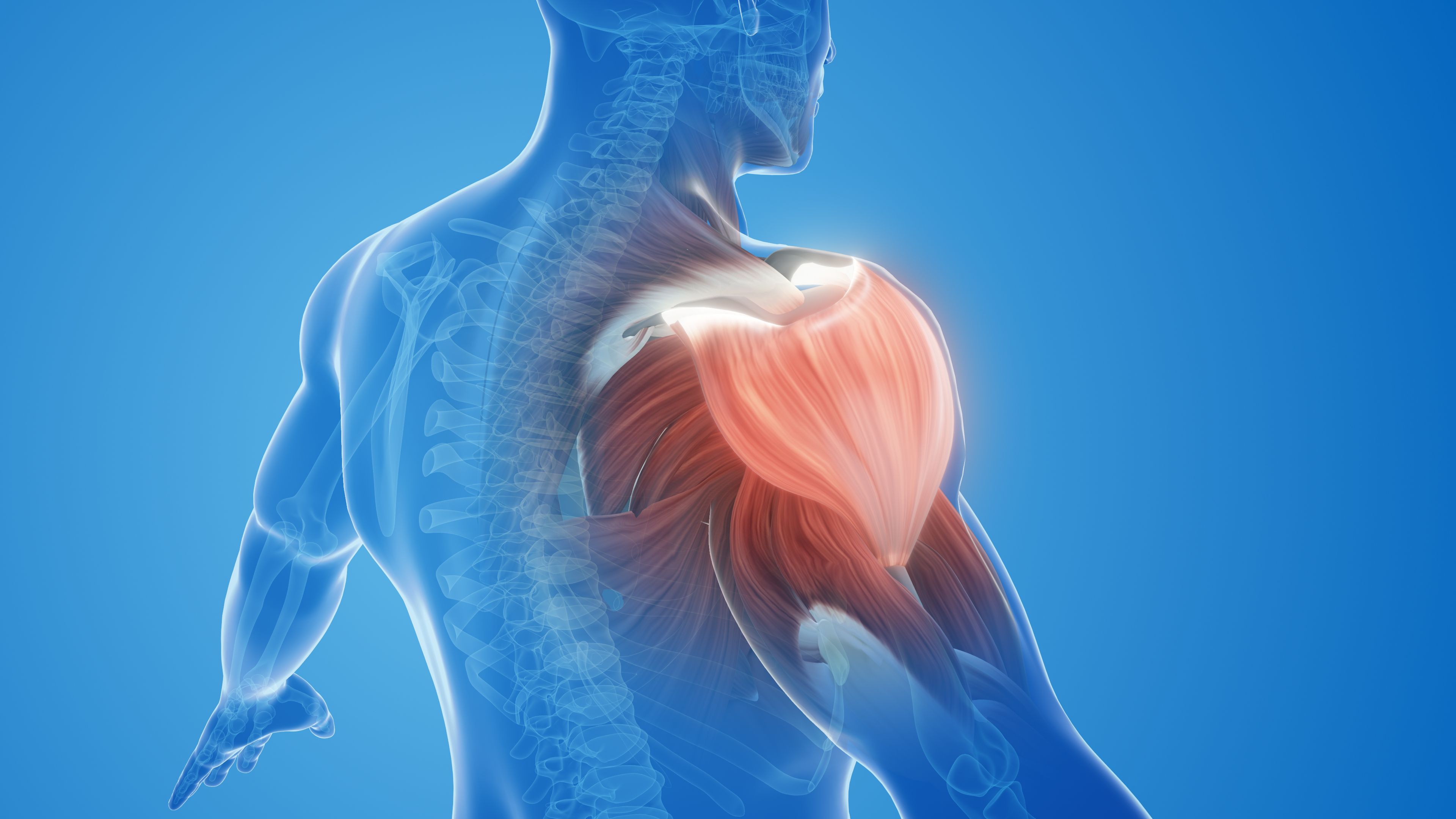
Progressive muscle relaxation (PMR) is a technique where you tense and then release different muscle groups in sequence. This method helps you become more aware of physical tension and teaches you how to relieve it effectively. Start from your toes and work your way up to your head, tensing each muscle group for a few seconds before releasing. PMR pairs beautifully with massage therapy by reinforcing the relaxation of muscles.
Warm Baths with Epsom Salt
Taking a warm bath with Epsom salt can further soothe muscles and reduce inflammation after a massage. Epsom salt is rich in magnesium, which can help ease tension and promote relaxation. Add a few drops of essential oil to the bath for an added aromatherapy benefit. Soaking for 15-20 minutes can leave you feeling refreshed and more relaxed than ever.
Soothing Music
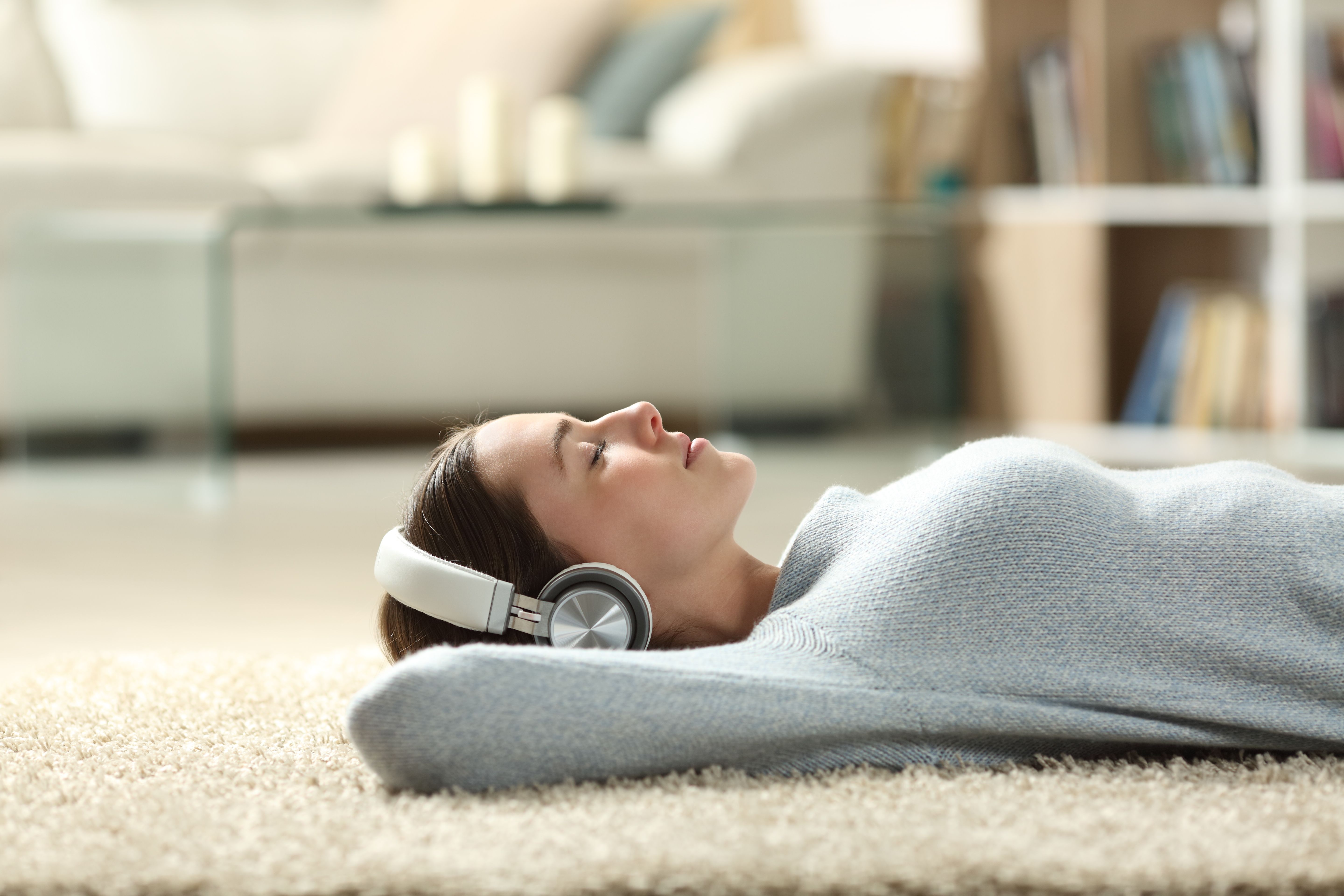
Music has an incredible ability to influence our emotions and physical state. Creating a playlist of calming tunes to listen to during or after your massage session can extend the relaxation effect. Genres like classical, ambient, or nature sounds are particularly effective in promoting tranquility. Allow the gentle melodies to wash over you, enhancing your overall sense of peace and well-being.
Yoga and Stretching
Incorporating yoga or simple stretching exercises into your routine can help maintain the flexibility and relaxation achieved through massage therapy. Focus on poses that target areas of tension in your body, such as the shoulders, back, and hips. Stretching not only complements massage by improving circulation but also enhances your body's ability to release stress.
By integrating these techniques into your wellness routine, you can elevate your massage therapy experience to new heights of relaxation. Remember that consistency is key; the more you practice these methods, the more profound their effects will be on your mind and body.