The Role of Massage Therapy in Managing Stress and Anxiety


Understanding Stress and Anxiety
Stress and anxiety are common experiences for many individuals, often stemming from various aspects of life such as work, relationships, and financial pressures. While stress is a response to a threat in a situation, anxiety is a reaction to the stress. Both can lead to a range of physical and emotional issues if not managed effectively.
Massage therapy has emerged as a popular method for managing these conditions, providing both physical and mental relief. By understanding the benefits of massage therapy, individuals can better incorporate it into their wellness routines to promote overall health.
How Massage Therapy Works
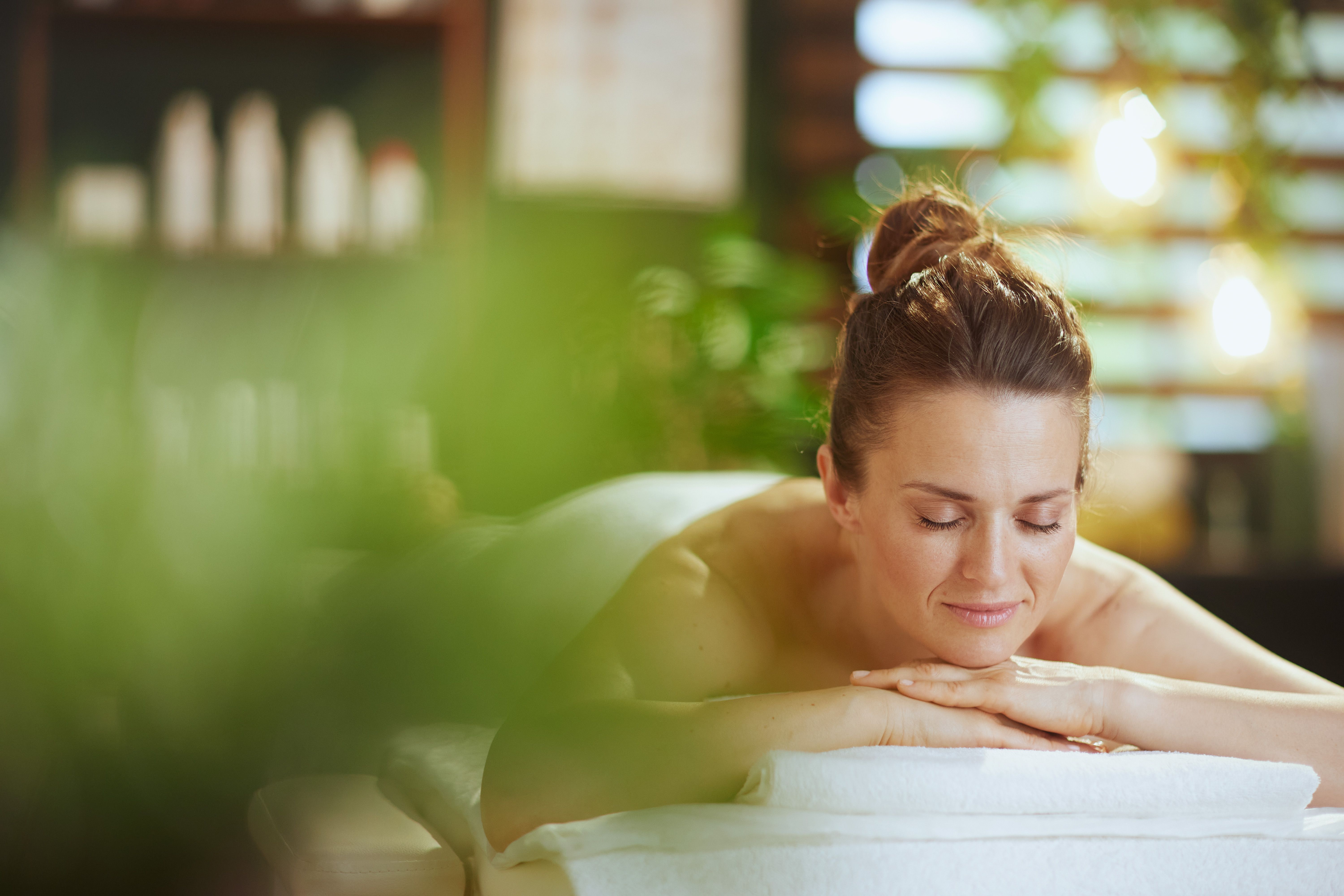
Massage therapy involves the manipulation of muscles and soft tissues to relieve tension and promote relaxation. This practice can trigger the release of endorphins, the body's natural painkillers, and mood enhancers. These effects help reduce levels of cortisol, the stress hormone, in the body.
By lowering cortisol levels, massage therapy can help improve mood and reduce anxiety. Additionally, regular massage sessions can enhance sleep quality, which is often disrupted by stress and anxiety. Improved sleep further aids in stress management and emotional regulation.
Types of Massage for Stress Relief
There are several types of massage techniques that can be particularly beneficial for stress relief:
- Swedish Massage: This gentle form of massage uses long strokes, kneading, and circular movements to relax muscles.
- Deep Tissue Massage: This technique focuses on deeper layers of muscle tissue, ideal for chronic tension.
- Aromatherapy Massage: Incorporates essential oils to enhance relaxation and mood.
The Psychological Benefits
In addition to the physical benefits, massage therapy offers significant psychological advantages. It creates a sense of comfort and connection, helping individuals feel cared for in a supportive environment. This nurturing aspect can lead to improved mental clarity and a more balanced emotional state.
Massage therapy also encourages mindfulness by bringing attention to the present moment. This practice helps reduce negative thought patterns and encourages a more positive outlook, which can be particularly beneficial for those dealing with anxiety.
Incorporating Massage into Your Routine
To maximize the benefits of massage therapy, consider incorporating it into your regular wellness routine. Start by scheduling sessions once or twice a month. Listen to your body and adjust the frequency based on your individual stress levels and needs.
In addition to professional massages, consider self-massage techniques or using massage tools at home between sessions. This practice can help maintain the benefits and provide relief in stressful moments.
Conclusion: A Path to Wellness
Massage therapy offers a holistic approach to managing stress and anxiety. By addressing both physical and psychological components, it provides comprehensive support for those seeking relief. Whether through professional sessions or self-care practices, incorporating massage into your routine can be a powerful step towards achieving greater balance and well-being.