Muscle Tension Relief: Expert Tips for Daily Maintenance and Prevention


Understanding Muscle Tension
Muscle tension is a common issue affecting many people, often resulting from stress, poor posture, or lack of movement. When muscles remain contracted for extended periods, they can lead to discomfort and pain. Understanding the causes of muscle tension can help in developing effective strategies for relief and prevention.

Daily Maintenance Techniques
Incorporating daily maintenance techniques into your routine can significantly reduce the occurrence of muscle tension. Simple practices can make a big difference:
- Stretching: Regular stretching helps maintain flexibility and relieve tension. Focus on major muscle groups and hold stretches for at least 15-30 seconds.
- Hydration: Staying hydrated is crucial for muscle function. Dehydration can lead to cramping and increased tension.
- Movement Breaks: If you sit or stand for long periods, take regular breaks to move around and stretch.
The Importance of Posture
Good posture plays a vital role in preventing muscle tension. Poor posture can lead to imbalances in muscle groups, causing some to overwork while others weaken. Here are some tips to improve your posture:
- Align Your Spine: Ensure your ears, shoulders, and hips are in a straight line when sitting or standing.
- Use Ergonomic Furniture: Invest in chairs and desks that support proper posture, especially if you work at a desk for long hours.
- Be Mindful of Your Posture: Regularly check your posture throughout the day and make adjustments as needed.

Exercise for Muscle Health
Regular exercise is not only essential for overall health but also for maintaining muscle health. Engaging in activities such as yoga, pilates, or strength training can help alleviate muscle tension by strengthening muscles and promoting flexibility.
Focus on exercises that target core strength and stability, as these can provide the foundation for better posture and reduced tension. Remember to start slowly if you're new to exercising and gradually increase intensity to avoid injury.
Stress Management
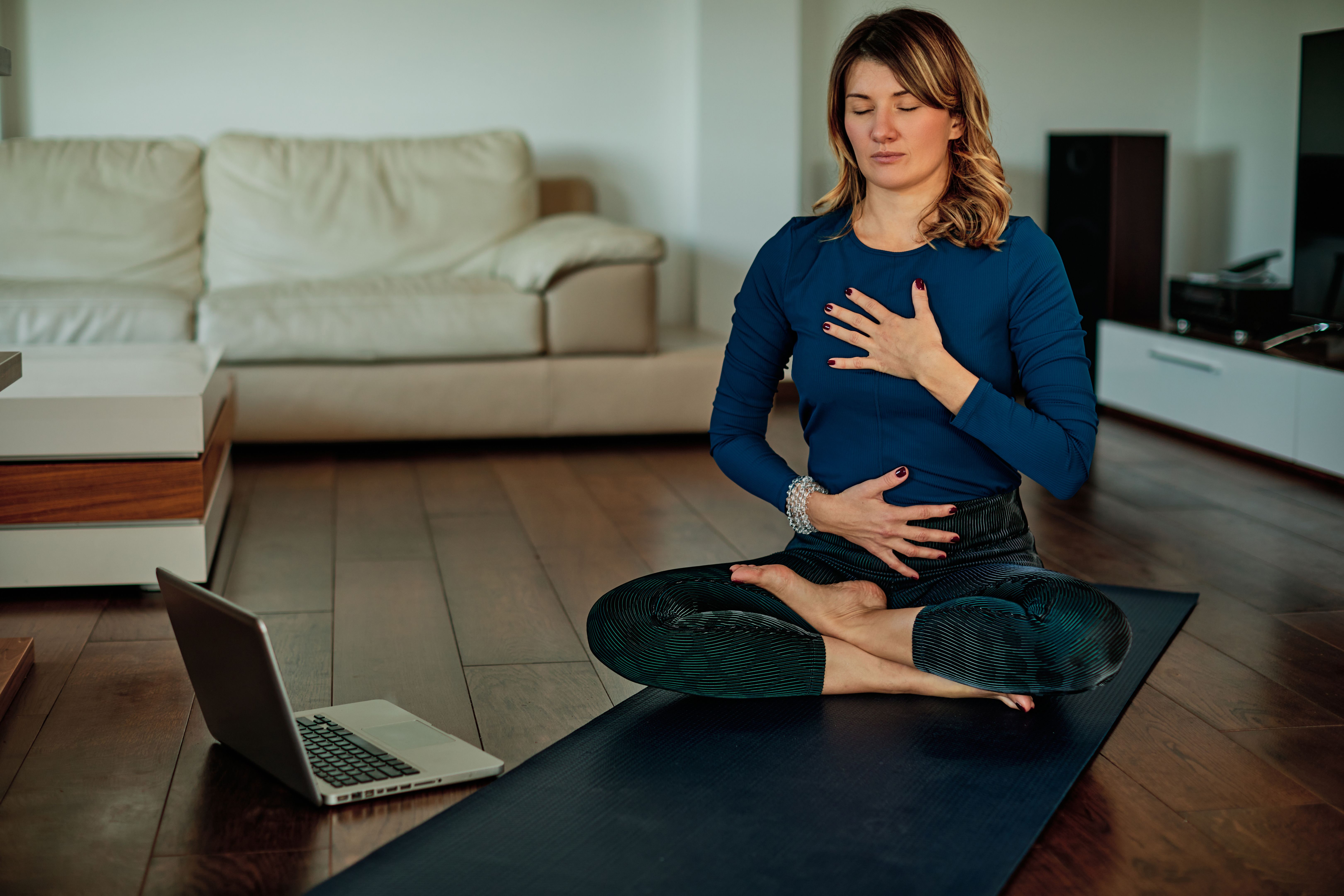
Stress is a major contributor to muscle tension. Learning effective stress management techniques can help in reducing its impact on your muscles. Consider incorporating the following into your routine:
- Meditation: Regular meditation practice can help calm the mind and reduce stress-related muscle tension.
- Deep Breathing: Simple breathing exercises can promote relaxation and help release tension in the body.
- Adequate Sleep: Ensure you get enough rest each night, as sleep is crucial for muscle recovery and stress reduction.
Seeking Professional Help
If you find that self-care techniques are not enough to manage your muscle tension, it may be beneficial to seek professional help. Options include massage therapy, physical therapy, or consulting with a healthcare provider for personalized advice.
Professionals can offer targeted treatments and exercises tailored to your specific needs, providing lasting relief and helping to prevent future tension.
Conclusion
Muscle tension is a manageable condition with the right approach. By incorporating daily maintenance techniques, focusing on posture, exercising regularly, managing stress, and seeking professional guidance when needed, you can effectively reduce and prevent muscle tension. Taking proactive steps today will contribute significantly to your long-term health and well-being.