DIY Tips for Relieving Muscle Tension at Home


Understanding Muscle Tension
Muscle tension can be a common issue, whether it stems from stress, physical activity, or sitting in the same position for too long. It leads to discomfort and can hinder daily activities. Fortunately, there are several DIY methods you can try at home to relieve this tension and promote relaxation.
Before diving into these tips, it's crucial to understand what muscle tension is. It occurs when the muscles remain semi-contracted for an extended period, leading to stiffness, pain, and sometimes even spasms. By addressing the root cause and employing some home remedies, you can effectively alleviate muscle tension.

Stretching Techniques
Stretching is an effective way to relieve muscle tension and improve flexibility. Incorporating a regular stretching routine can help reduce stiffness and promote better posture.
Static Stretching
Static stretching involves holding a stretch in a challenging but comfortable position for a period of time, usually between 15 to 60 seconds. This type of stretching helps lengthen the muscles and release tension. Focus on areas that often get tight, such as the neck, shoulders, and lower back.
Dynamic Stretching
Unlike static stretching, dynamic stretches involve movement and are performed before engaging in physical activities. These stretches help warm up the muscles, increase blood flow, and prepare the body for exercise. Examples include arm circles, leg swings, and torso twists.

Heat Therapy
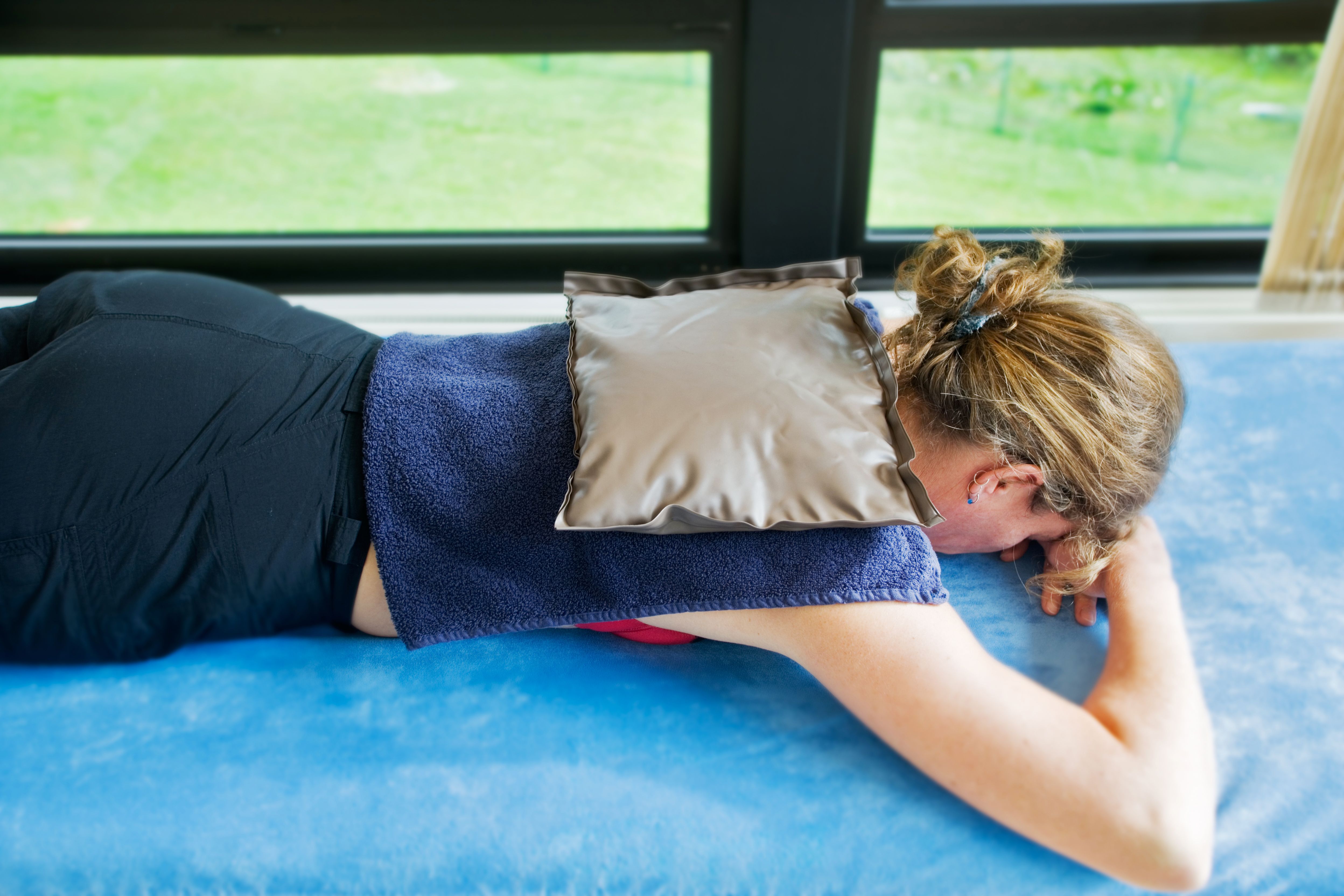
Applying heat to tense muscles can significantly reduce discomfort and improve circulation. Heat therapy helps relax muscles, relieve soreness, and improve flexibility.
Using a Heating Pad
A heating pad is a convenient tool for providing targeted heat to specific areas of the body. Simply apply the heating pad to the affected area for 15 to 20 minutes. Ensure the pad is set to a comfortable temperature to avoid burns.
Warm Baths
Soaking in a warm bath can be incredibly soothing for tense muscles. Add Epsom salts to the water for added benefits. The magnesium in Epsom salts can further help relax muscles and reduce inflammation.
Self-Massage Techniques
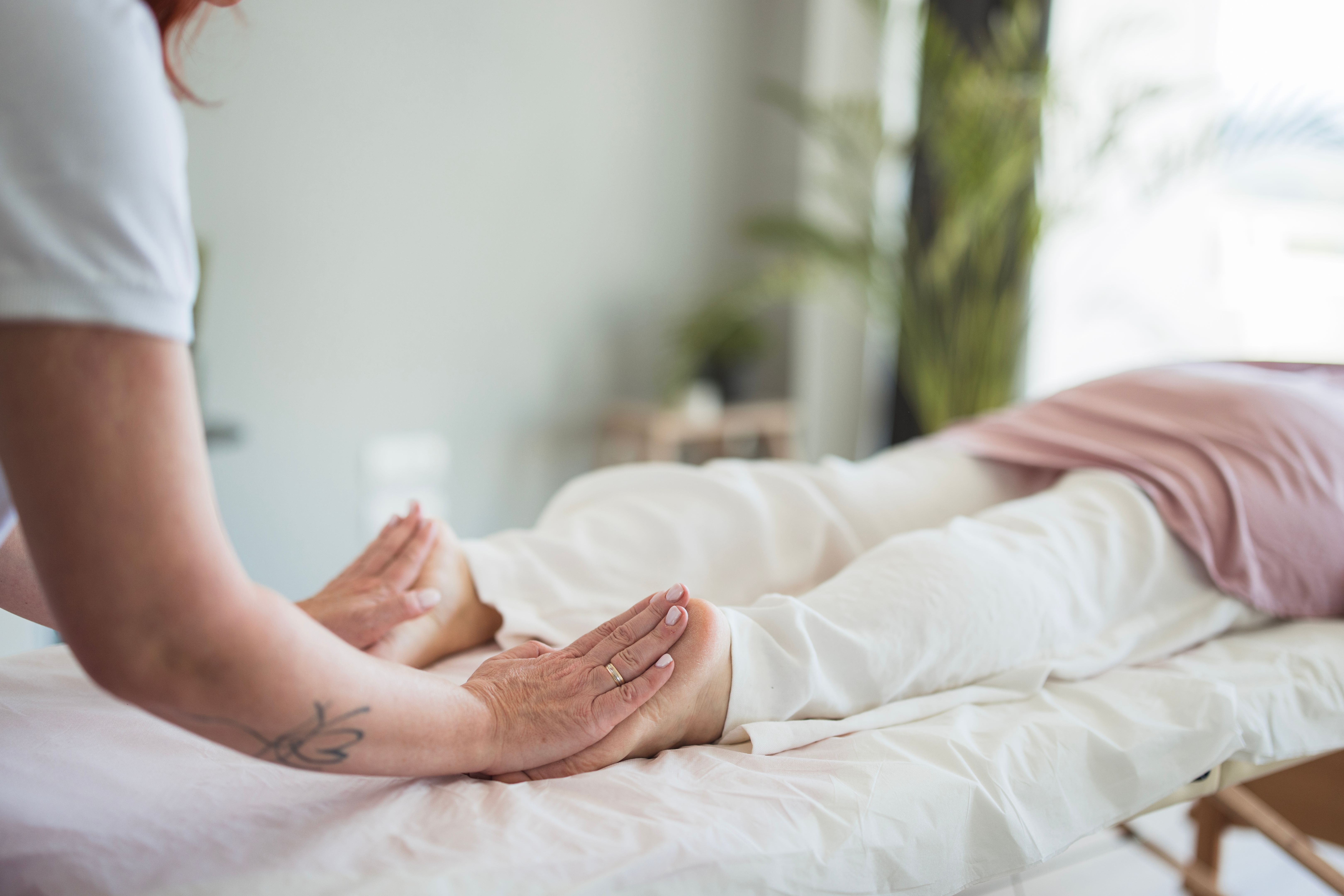
Self-massage is a cost-effective way to relieve muscle tension without needing professional help. It can be as simple as using your hands or incorporating tools like foam rollers or massage balls.
Foam Rolling
Foam rolling is a popular technique that involves using a foam roller to apply pressure to sore muscles. Roll slowly over the affected areas, pausing on any tender spots for 30 seconds to help release knots.
Massage Balls
Massage balls are excellent for targeting smaller muscle groups or hard-to-reach areas. Use them against a wall or on the floor to apply pressure and work out tight spots.
Incorporating Relaxation Methods
Reducing stress can also significantly impact muscle tension. By incorporating relaxation techniques into your daily routine, you can promote overall well-being and muscle relaxation.
Deep Breathing Exercises
Deep breathing exercises help calm the nervous system and release physical tension. Practice by taking slow, deep breaths in through the nose, holding for a few seconds, and exhaling slowly through the mouth. Repeat this process several times until you feel more relaxed.
- Meditation
- Progressive Muscle Relaxation
- Aromatherapy
Integrating these DIY tips into your routine can significantly reduce muscle tension and improve your overall quality of life. Remember to listen to your body and adjust techniques as needed.