Deep Tissue Massages: What to Expect and How They Relieve Stress


Understanding Deep Tissue Massage
Deep tissue massage is a therapeutic technique focused on reaching the deeper layers of muscles and connective tissues. Unlike other types of massage that are more focused on relaxation, deep tissue massage involves more pressure and is designed to relieve tension and pain in specific areas. It is particularly beneficial for individuals with chronic pain or muscle injuries.
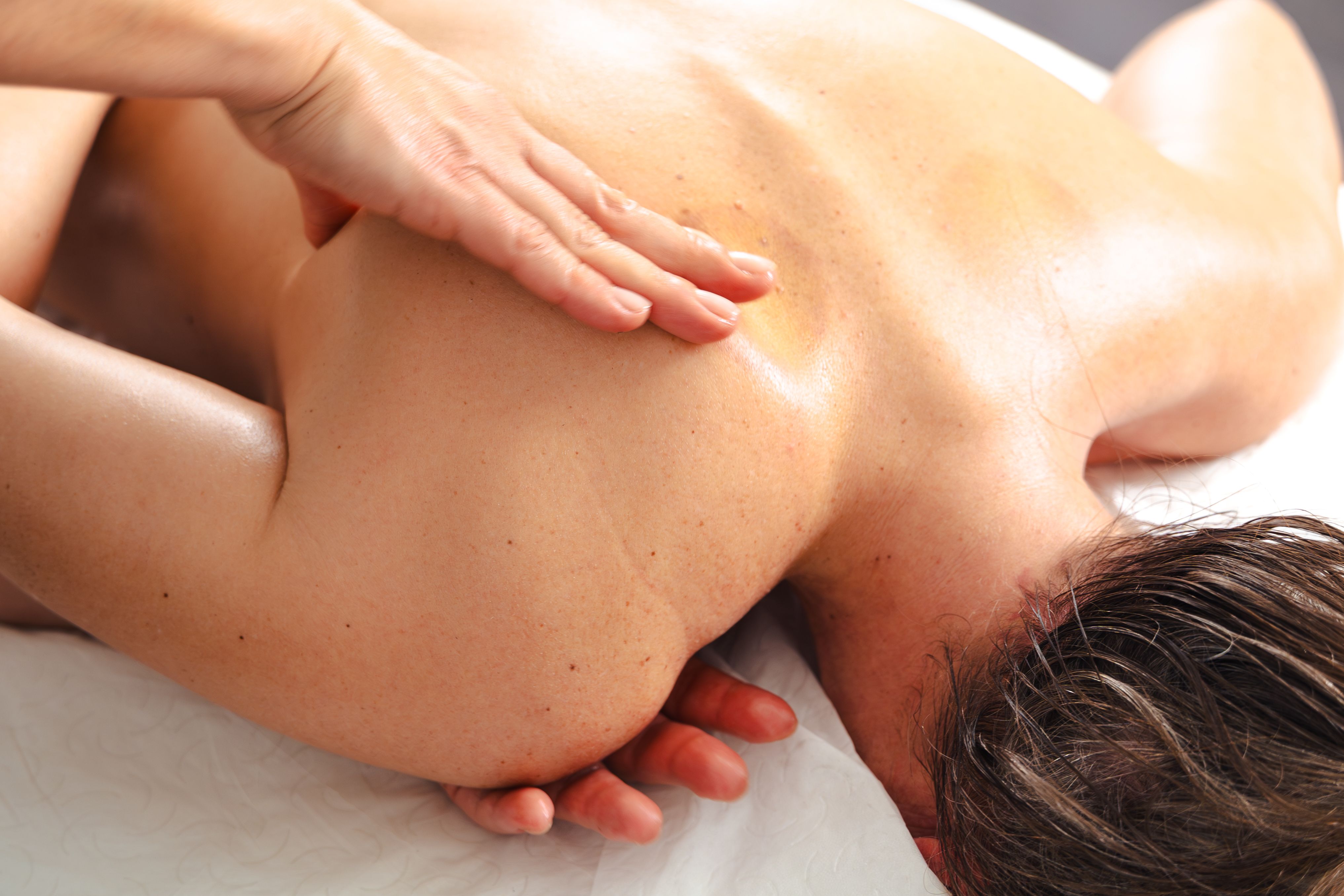
This type of massage is not only about applying firm pressure but also involves slow strokes to reach deeper muscle layers. The therapist may use their fingers, knuckles, elbows, and even forearms to achieve the desired pressure. It is crucial to communicate with your therapist about your comfort level and any areas of concern to ensure a beneficial experience.
What to Expect During a Session
When you arrive for your deep tissue massage appointment, your therapist will likely begin by discussing any specific areas of tension or pain you want to address. This initial consultation helps tailor the session to your individual needs. You will then be asked to lie on a comfortable massage table, usually covered with a sheet or towel.
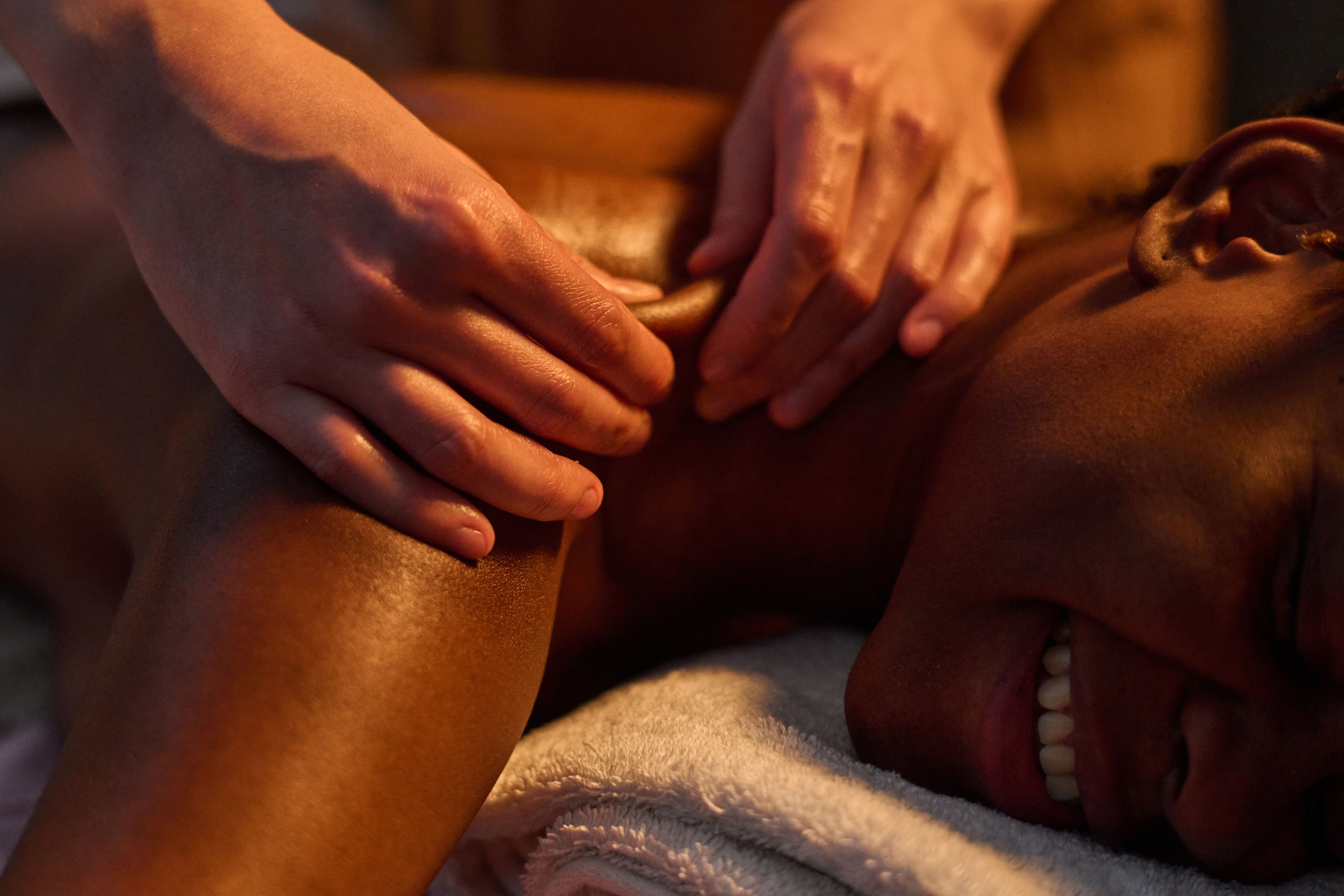
The session will typically begin with lighter pressure to warm up the muscles before gradually increasing the intensity to target deeper layers. It's essential to breathe deeply and relax as much as possible during the massage to allow the therapist to effectively work on tense areas. Remember, if the pressure becomes too intense, don't hesitate to speak up.
Benefits of Deep Tissue Massage
Deep tissue massage offers numerous benefits that extend beyond mere relaxation. Here are some key advantages:
- Pain Relief: It is effective in alleviating chronic pain conditions such as lower back pain, neck stiffness, and shoulder tension.
- Improved Mobility: By releasing tight muscles, it can enhance flexibility and range of motion.
- Reduced Stress: By targeting deep layers of muscles, it helps alleviate stress and anxiety.

Additionally, deep tissue massage can improve circulation, reduce inflammation, and promote faster recovery from injuries. These benefits make it a popular choice among athletes and individuals recovering from surgery.
How Deep Tissue Massage Relieves Stress
Stress relief is one of the most significant benefits of deep tissue massage. The technique helps lower cortisol levels in the body, which is the hormone responsible for stress. By doing so, it promotes a sense of calm and relaxation.
Moreover, the release of tension in deep muscle layers can improve overall mood and well-being. This physiological change often leads to better sleep patterns and increased energy levels. Regular sessions can be a vital part of a comprehensive stress management plan.
Preparing for Your Massage
Before attending a deep tissue massage session, there are a few things you can do to prepare:
- Stay Hydrated: Drinking water before and after your session helps flush out toxins released during the massage.
- Avoid Heavy Meals: Eating a light meal an hour or two before your appointment can prevent discomfort.
- Communicate: Inform your therapist about any medical conditions or areas that require attention.
By taking these steps, you can ensure a more comfortable and effective deep tissue massage experience. Whether you are seeking relief from chronic pain or simply looking to unwind, this therapeutic technique offers numerous benefits for both physical and mental health.