Debunking Common Myths About Massage Therapy


Introduction to Massage Therapy Myths
Massage therapy has been around for centuries, providing countless benefits for both physical and mental health. Yet, despite its popularity, many myths about massage therapy continue to circulate. These misconceptions can deter people from experiencing the full range of benefits that massage has to offer. In this post, we will debunk some of the most common myths and set the record straight.
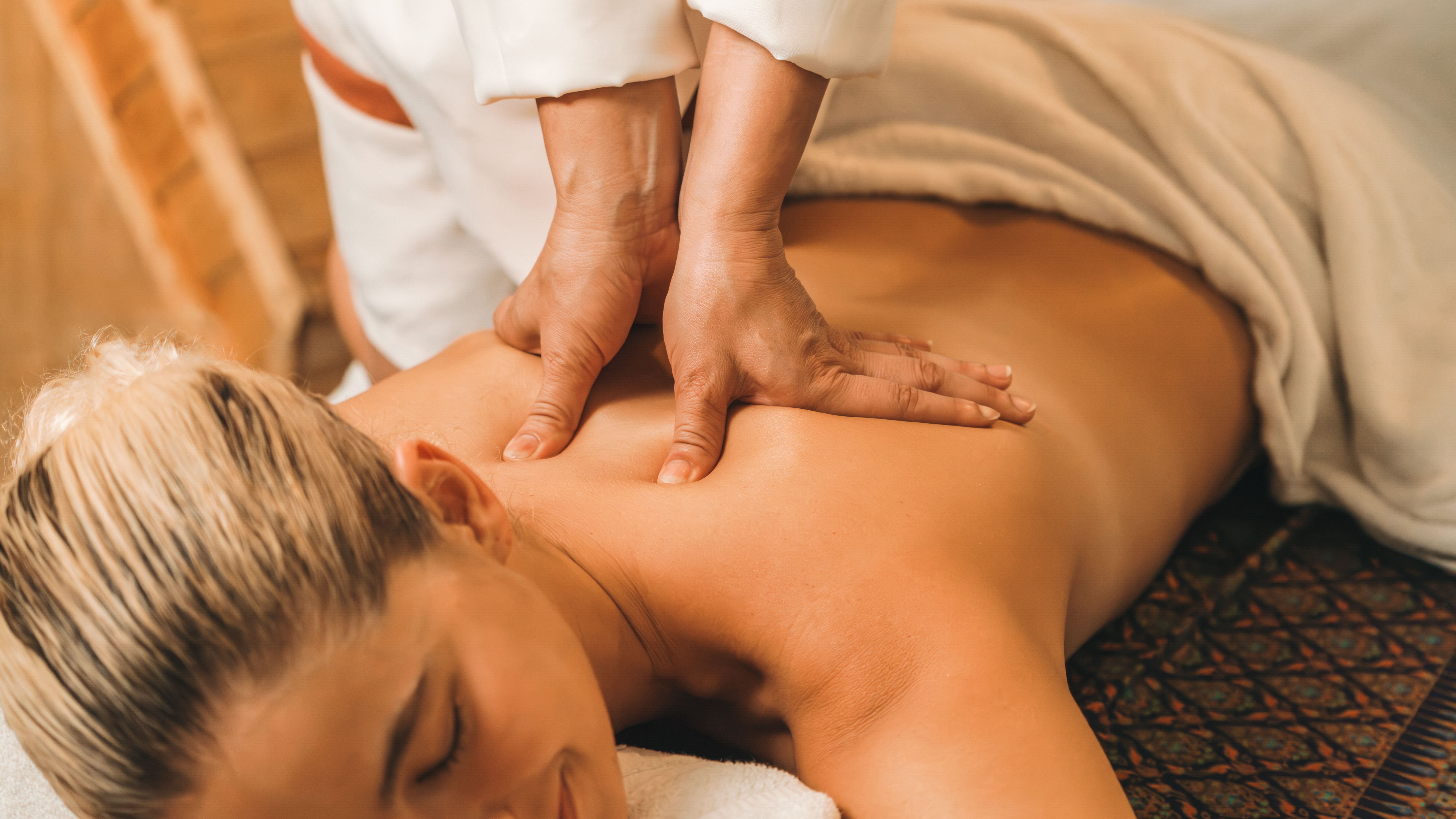
Myth 1: Massage Therapy is Only for Relaxation
While it's true that massage therapy is often associated with relaxation, its benefits extend far beyond just unwinding. Massage therapy can aid in pain management, improve circulation, and promote overall well-being. It is frequently used as a complementary treatment for conditions such as arthritis, fibromyalgia, and sports injuries.
Many athletes incorporate massage therapy into their training regimens to enhance performance and speed up recovery. This highlights the therapeutic aspect of massage that goes beyond mere relaxation.
Myth 2: Massage Must Be Painful to Be Effective
A common misconception is that a massage must be painful to be beneficial. While some deep tissue techniques may involve a certain level of discomfort, this is not universally true. Effective massage therapy should never be excessively painful. Communication with your therapist is key to ensuring your comfort and maximizing the therapeutic benefits.
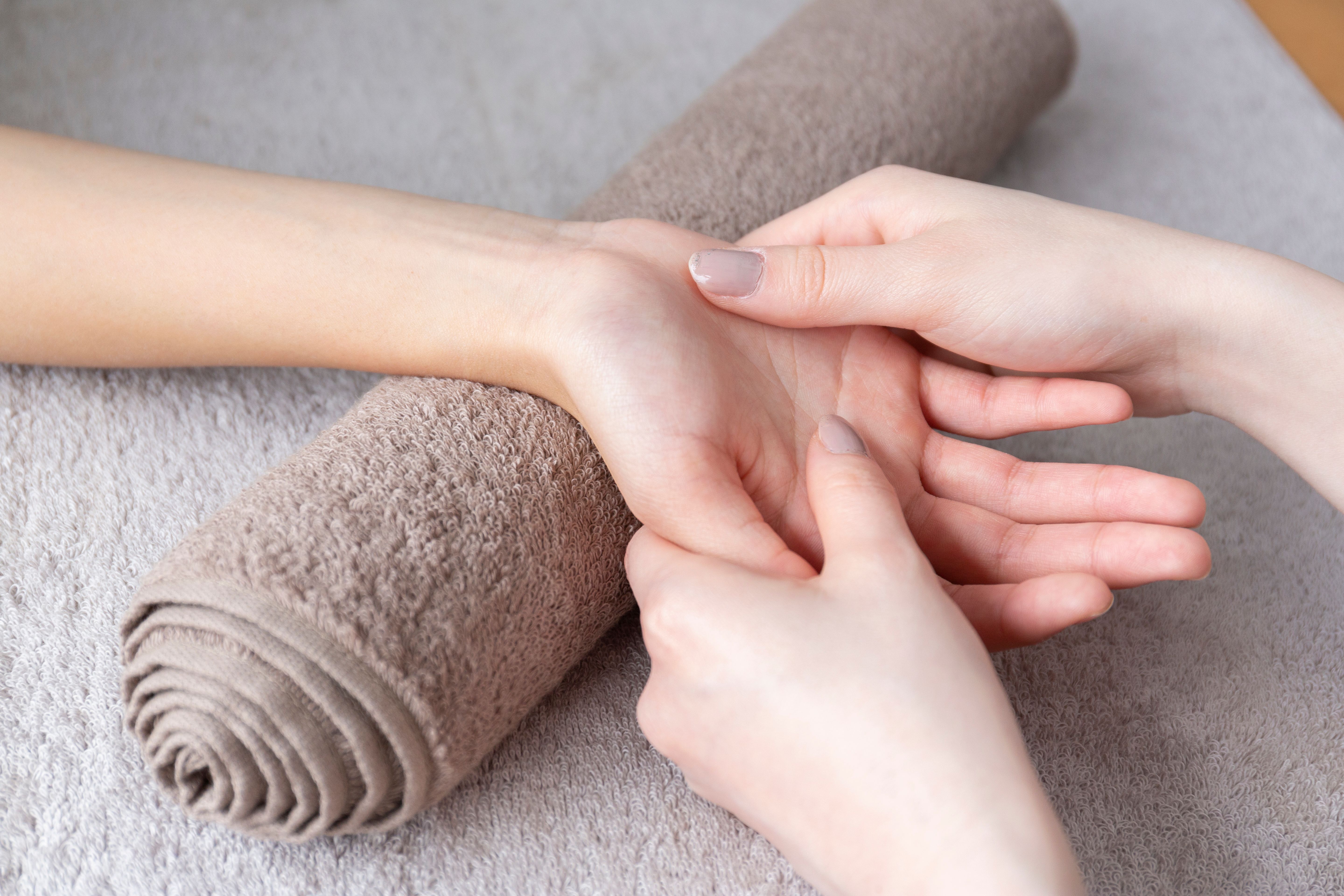
The ideal pressure level varies from person to person and depends on individual needs and preferences. It's important to discuss any discomfort with your therapist, who can adjust the technique accordingly.
Myth 3: Massages Are Only for Women
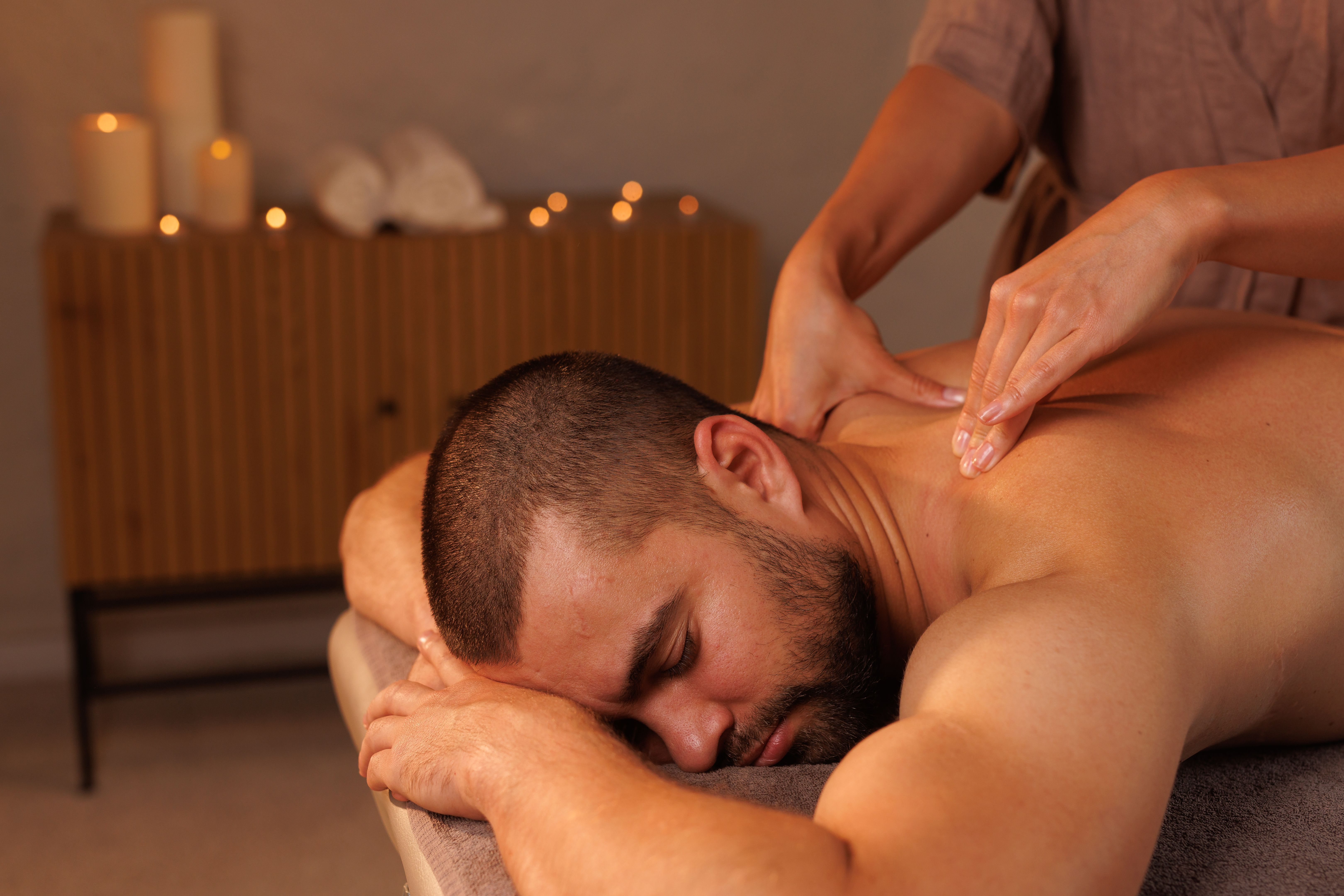
The notion that massage therapy is primarily for women is another stereotype that needs to be addressed. Massage therapy is beneficial for everyone, regardless of gender. In fact, many men are increasingly recognizing the advantages of incorporating regular massage sessions into their routines.
Massage can aid in reducing stress, alleviating muscle tension, and improving flexibility, making it an ideal treatment for individuals of all genders seeking holistic health improvements.
Myth 4: You Need a Doctor's Referral to Get a Massage
While a doctor's referral may be necessary when seeking insurance reimbursement for massage therapy, it is not a prerequisite for booking a session. Most people can book a massage directly with a licensed therapist without needing any medical approval.
That said, if you have specific health concerns or conditions, consulting your healthcare provider before starting any new treatment is always advisable.
Myth 5: All Massages Are the Same
This myth couldn't be further from the truth. There are numerous types of massage techniques tailored to different needs and preferences. From Swedish and deep tissue to sports and hot stone massages, each type offers unique benefits.
Understanding the differences between these techniques can help you choose the right type of massage that best suits your individual requirements and desired outcomes.
Conclusion: Embrace the True Benefits of Massage Therapy
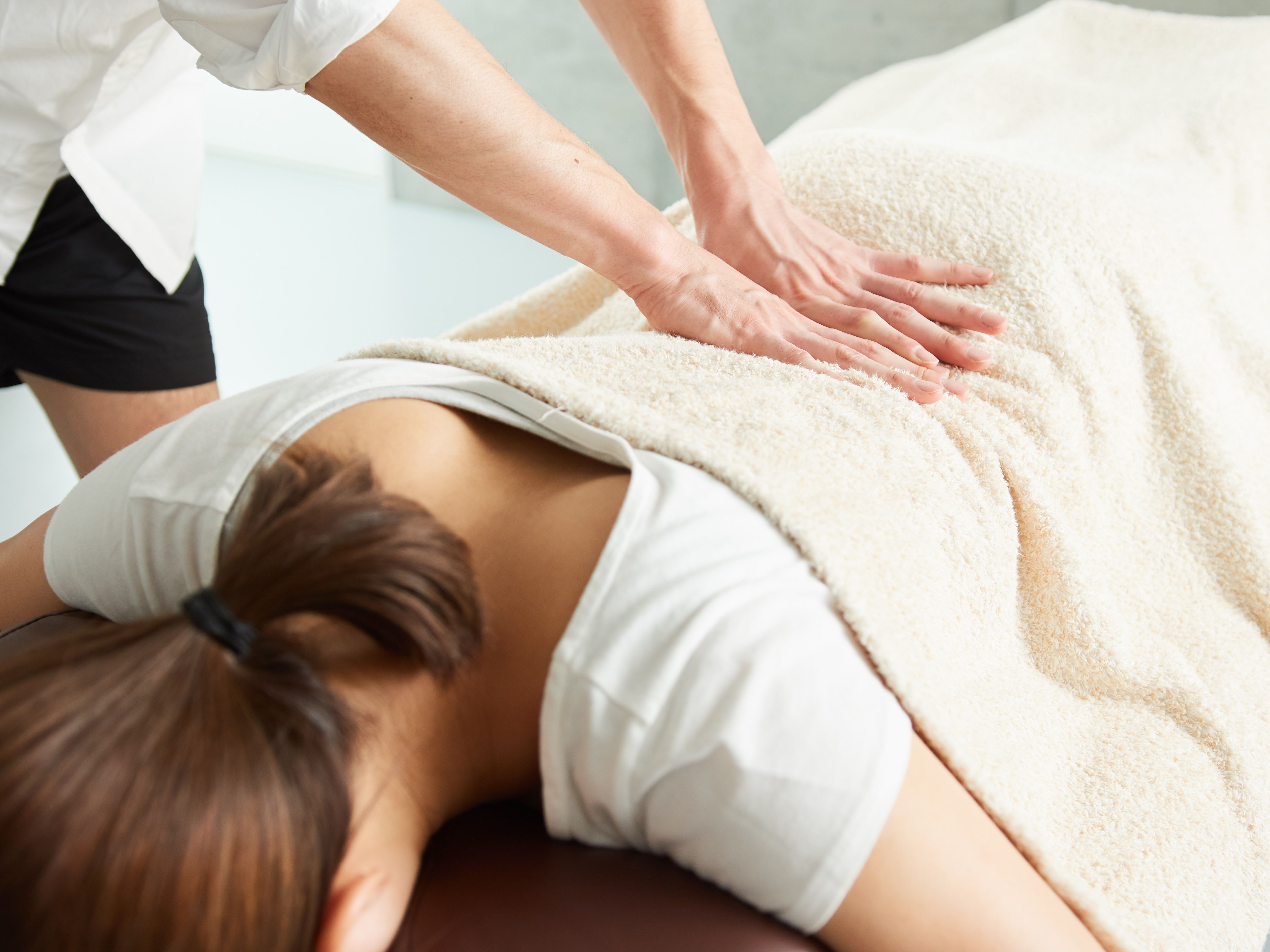
By debunking these common myths about massage therapy, we hope to encourage more individuals to explore this beneficial practice. Massage therapy offers a wide range of health benefits that go beyond mere relaxation.
Whether you're seeking stress relief, pain management, or improved athletic performance, there's likely a type of massage that can meet your needs. Don't let misconceptions hold you back from experiencing the full potential of massage therapy.