Common Myths About Relaxation Techniques Debunked


Understanding Relaxation Techniques
Relaxation techniques are often misunderstood, leading to a variety of myths that can deter people from trying them. These techniques, designed to reduce stress and promote well-being, are backed by science and practice but often fall victim to common misconceptions. Let's explore and debunk some of these myths.

Myth 1: Relaxation Techniques Require a Lot of Time
A common myth is that relaxation techniques require significant time commitments. The truth is that many practices, such as deep breathing or short meditation sessions, can be effectively done in just a few minutes. Even brief periods of relaxation can significantly impact your mental health and stress levels.
Incorporating these techniques into your daily routine doesn't have to be time-consuming. For example, taking a few deep breaths while waiting for your coffee to brew can set a calming tone for the day. Consistency is key, not duration.
Myth 2: Relaxation Means Doing Nothing
Another widespread misconception is that relaxation equates to doing nothing. While it might involve stillness, relaxation techniques actively engage the mind and body. Practices like yoga, tai chi, or progressive muscle relaxation require focused attention and intention.
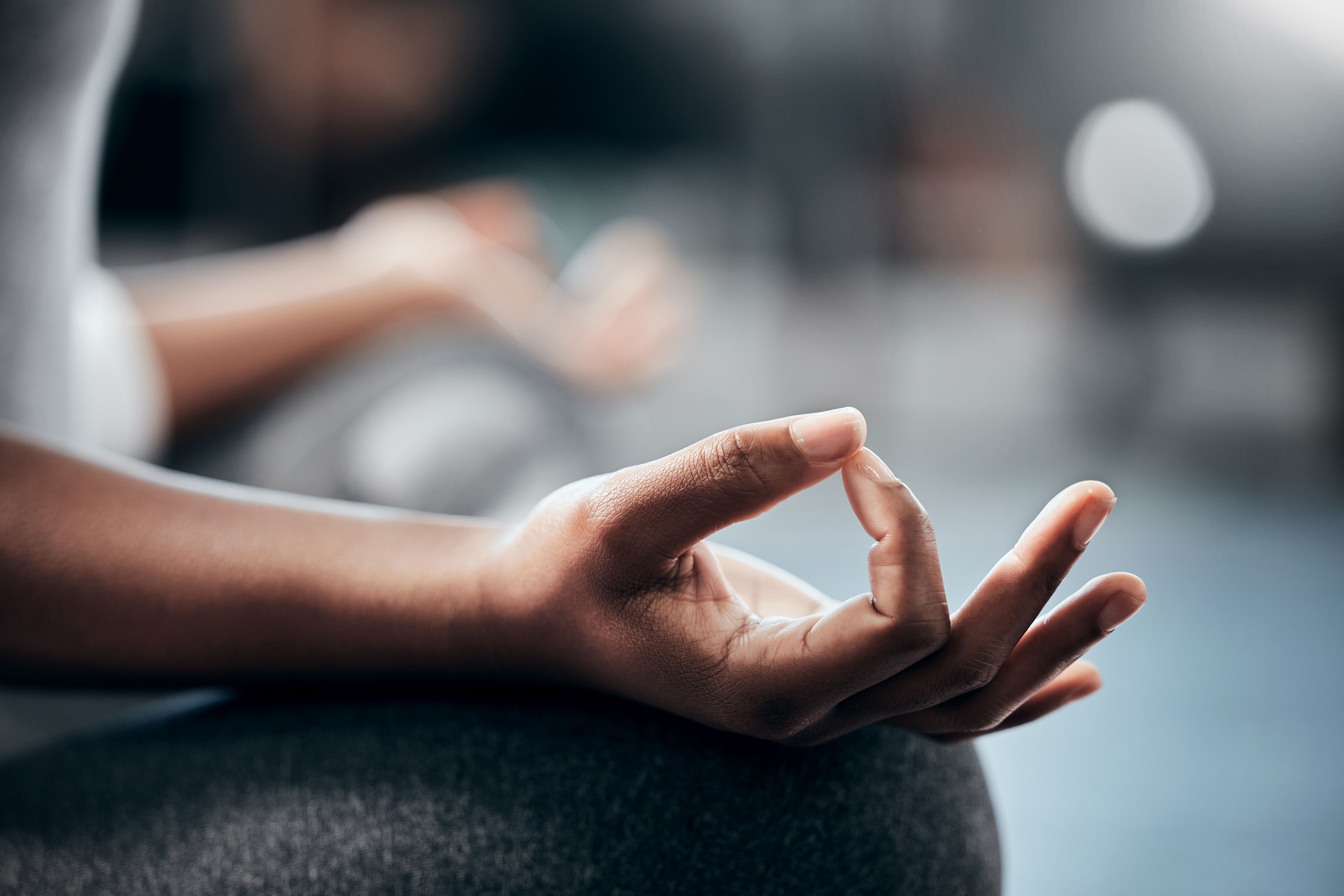
These techniques work by shifting the body's focus and reducing stress responses. So, even though they might appear passive on the surface, they engage both the physical and mental faculties in a meaningful way.
Myth 3: Only Certain People Benefit from Relaxation Techniques
Some people believe that relaxation techniques are only for individuals who are naturally calm or have specific personality types. In reality, these practices can benefit anyone, regardless of their baseline stress levels or personality traits.
Relaxation techniques are designed to be adaptable and accessible to all. They can be personalized to fit individual preferences, ensuring everyone can find a method that suits them.

Myth 4: Relaxation Techniques Are Not Effective
The notion that relaxation techniques aren't effective is another myth that needs debunking. Numerous studies have shown that these methods can significantly reduce stress, lower blood pressure, and improve overall health.
Practices like mindfulness meditation have been extensively researched and proven to enhance emotional well-being and cognitive function. The effectiveness largely depends on regular practice and finding the right technique for each individual.
Conclusion
By debunking these myths, we can better appreciate and utilize relaxation techniques as powerful tools for enhancing our quality of life. Whether you have five minutes or an hour, these practices can fit seamlessly into your routine, offering profound benefits for your mind and body.