Busting Myths About Deep Tissue Massages: What You Need to Know


Understanding Deep Tissue Massage
Deep tissue massage is often surrounded by a cloud of misconceptions. Many people believe it is synonymous with pain or that it’s only for athletes. However, the reality is quite different. This type of massage targets deeper layers of muscles and connective tissue, using slow, firm strokes to break down adhesions and relieve tension.
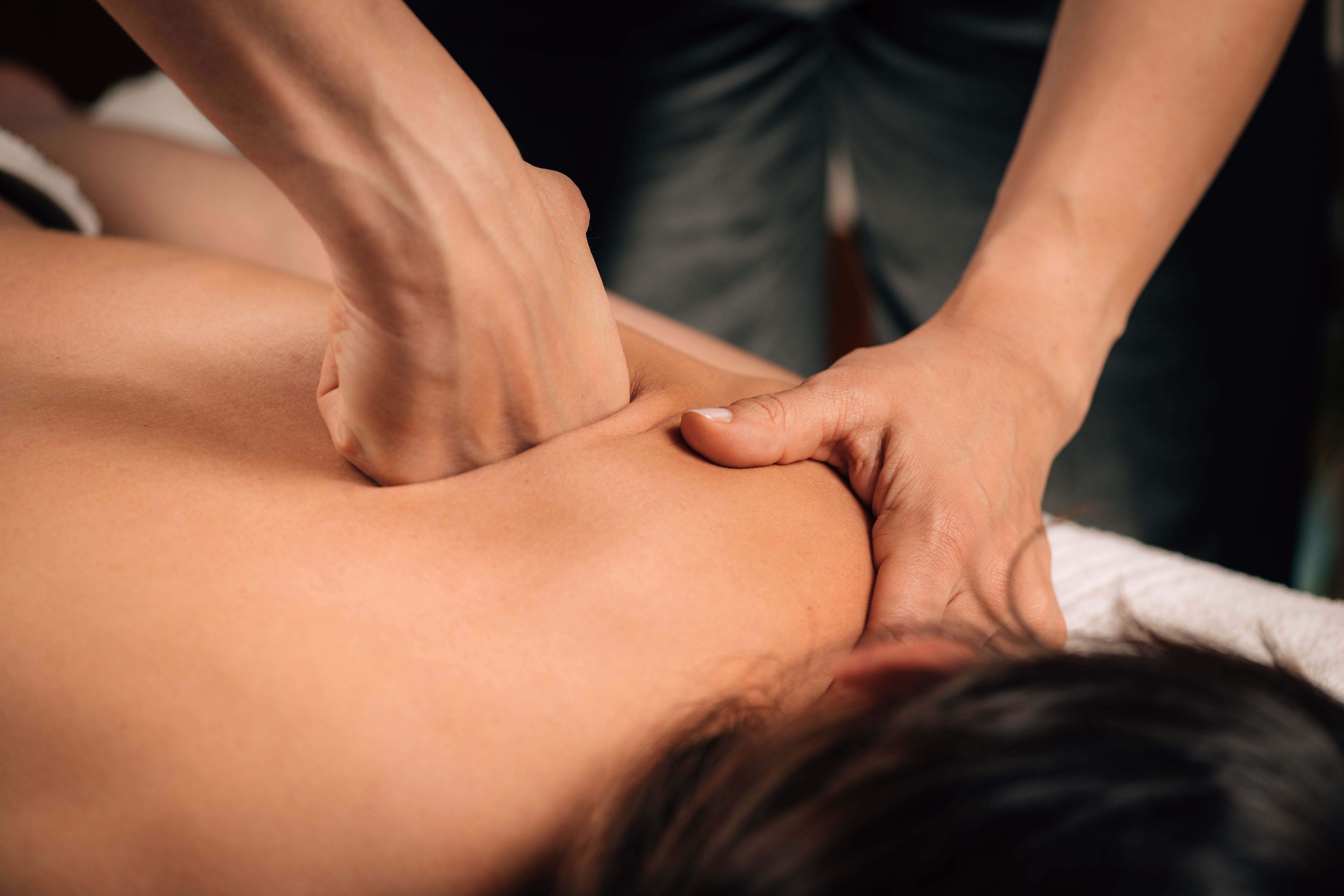
This therapy can be beneficial for a wide variety of individuals, not just those with sports-related injuries. It can help alleviate chronic pain, improve mobility, and reduce stress, making it a versatile treatment option for many.
Myth: Deep Tissue Massage Is Painful
One of the most common myths about deep tissue massage is that it must be painful to be effective. While it’s true that this massage technique involves applying more pressure compared to a Swedish massage, it should never cross the threshold into pain. A skilled therapist will adjust the pressure according to your comfort level.
It's important to communicate with your therapist and let them know if the pressure is too much. The goal is to work with your body, not against it. A well-executed deep tissue massage should leave you feeling relaxed and revitalized, not sore and uncomfortable.

Myth: It's Only for Athletes
Another misconception is that deep tissue massages are exclusively for athletes or those with intense physical demands. In truth, anyone dealing with muscle tightness, chronic pain, or stress can benefit from this type of massage. Office workers, for example, might find relief from tension caused by sitting at a desk all day.
The technique is designed to cater to a wide range of needs. Whether you’re an athlete looking to enhance performance, a busy professional seeking stress relief, or someone dealing with persistent pain, deep tissue massage can be tailored to suit your specific requirements.

Myth: Bruising Is Normal
Some people believe that bruising is a normal outcome of deep tissue massages. This is not the case. While some tenderness is normal after a session, bruising should not occur if the massage is done correctly. If you experience bruising, it's crucial to discuss this with your therapist so they can adjust their technique.
Proper communication with your therapist can prevent discomfort and ensure you receive the maximum benefits from your session. Remember, the purpose of a deep tissue massage is to promote healing and relaxation, not to cause additional harm.
The Benefits of Deep Tissue Massage
Beyond busting myths, it's important to highlight the numerous benefits of deep tissue massage. These include:
- Pain Relief: Effective for chronic pain conditions.
- Improved Mobility: Helps increase range of motion.
- Stress Reduction: Promotes relaxation and mental peace.
Whether you're looking to manage pain or simply unwind after a long week, deep tissue massage might be just what you need. Always consult with your therapist to tailor each session to your specific needs and preferences.